Cottage Cheese Brownies with Almond Butter
Highlighted under: Quick Inspiration
Cottage Cheese Brownies with Almond Butter
Cottage Cheese Brownies with Almond Butter
Cottage Cheese Brownies with Almond Butter
Texture & Flavor: What to Expect
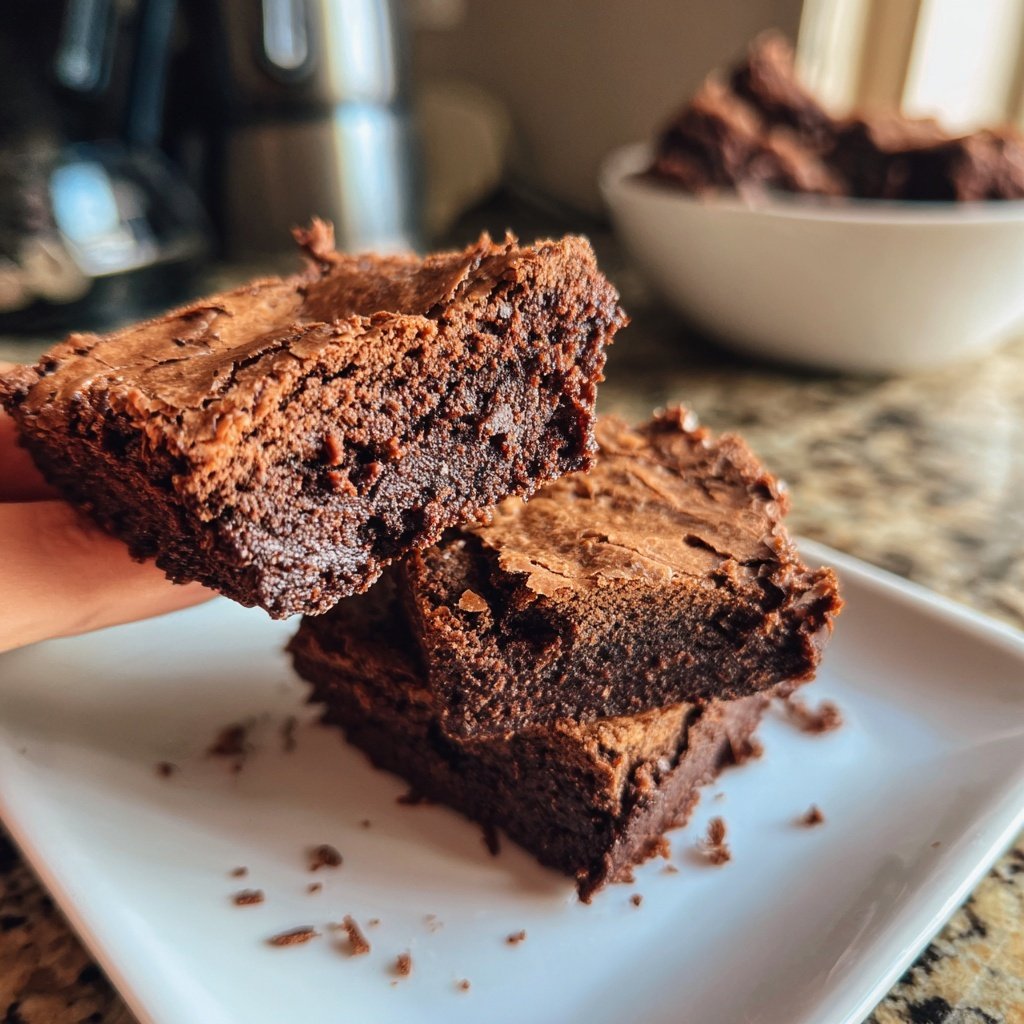
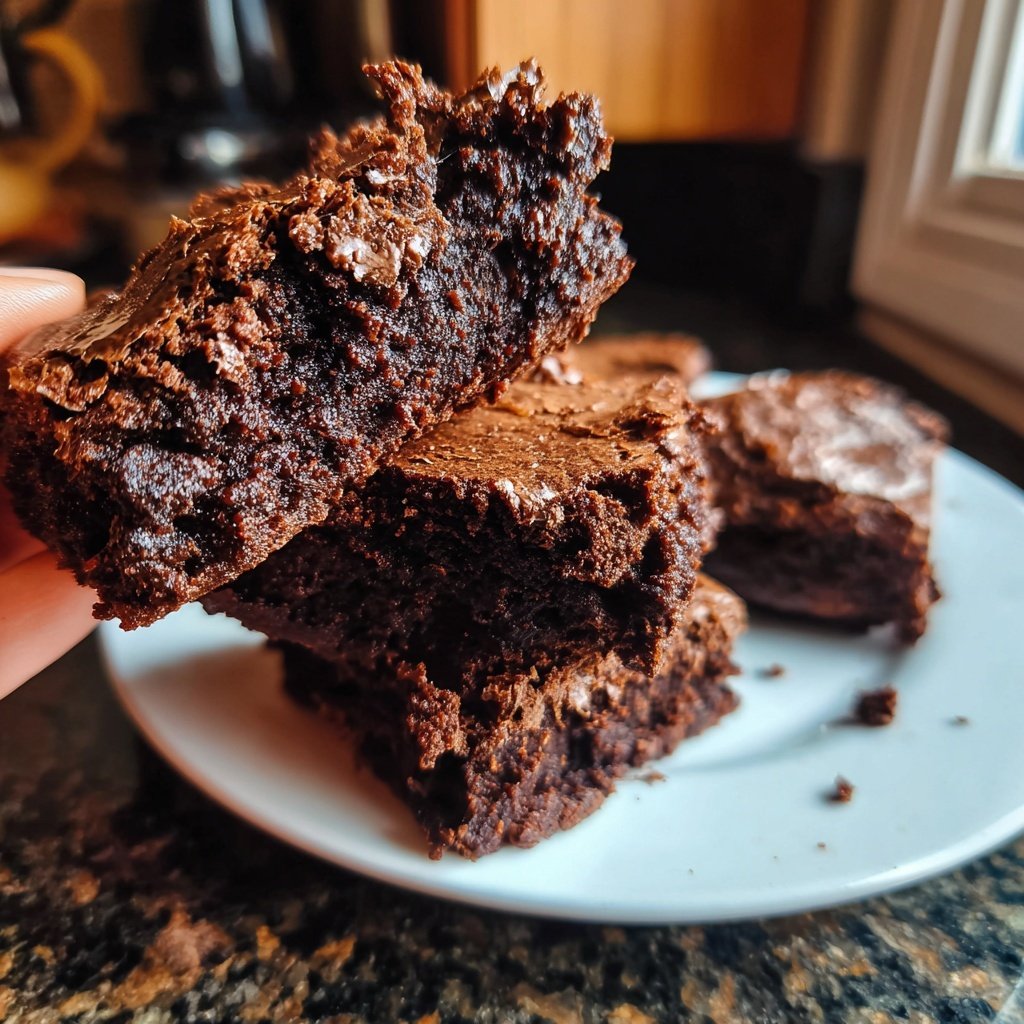
These cottage cheese brownies bake up with a dense, fudgy center rather than a cakey crumb, thanks to the moisture and protein from the cottage cheese and the richness of the almond butter. You’ll notice the top forms a slight sheen and soft crust, while the interior stays moist even after fully cooling. The flavor leans toward deep chocolate with a subtle nutty backbone, and the tang from the cottage cheese quietly rounds out the sweetness instead of standing out.
When you slice into the pan, the knife should glide through with just a bit of resistance in the center, leaving clean, slightly glossy edges on each square. The almond butter adds a toasty, almost caramelized note where it bakes against the batter, especially near the corners. If your cottage cheese is blended smooth before mixing, the brownies will have a classic, uniform crumb; leaving it slightly chunky gives tiny creamy pockets that melt into the chocolate.
Because these brownies use cottage cheese instead of a large amount of butter or oil, they feel lighter while still tasting indulgent. The protein and fat balance means you don’t get that greasy film some very buttery brownies leave behind. Instead, the mouthfeel is lush but not heavy, so you can enjoy a square on its own or pair it with something rich—like a scoop of ice cream—without the texture turning cloying or overly dense.
Key Techniques for Perfect Cottage Cheese Brownies
Blending the cottage cheese until completely smooth before adding it to the batter is the single biggest step to achieving a bakery-style crumb. A quick 20–30 seconds in a blender or food processor breaks down curds that would otherwise create visible specks or a slightly rubbery bite. Once combined with the wet ingredients, mix just until you no longer see streaks; overbeating at this stage can incorporate too much air, pushing the brownies toward a more cake-like texture.
Almond butter is thick, so how you incorporate it affects the final structure. If your recipe calls for swirling, warm the almond butter slightly until pourable—about 10–15 seconds in the microwave—so it ribbons easily over the batter without dragging. If it’s being mixed directly into the base, make sure it’s well-stirred and at room temperature before whisking it in; cold, stiff almond butter won’t fully emulsify and can leave dense, oily pockets after baking.
Baking time and pan choice are crucial here. In an 8-inch square metal pan, expect these brownies to bake in roughly 20–28 minutes at a moderate oven temperature (often around 350°F / 175°C), but start checking early. Look for edges that are set and slightly pulling away from the sides, with a center that still looks a bit soft and jiggles just slightly. A toothpick should come out with moist crumbs, not wet batter—pulling them at this stage keeps that fudgy interior once cooled.
Ingredient Roles, Swaps & Dietary Tweaks
Cottage cheese does more than boost protein—it replaces part of the usual butter or oil, giving moisture without making the brownies greasy. A higher-fat cottage cheese (2% or 4%) yields the best texture; fat-free versions can bake up drier and more rubbery. If you only have chunky cottage cheese, blending it smooth compensates. Greek yogurt can stand in for part of the cottage cheese in a pinch, but using it for all of it will produce a tangier, slightly cakier result.
The almond butter contributes both richness and structure, acting almost like a cross between nut butter and flour. A natural, unsweetened almond butter with just nuts and salt gives you the most control over sweetness. If almond butter isn’t available, creamy peanut butter works well but gives a stronger, more familiar flavor. For a milder, more neutral nuttiness, cashew butter is an excellent substitute and keeps the focus on the chocolate and gentle tang from the cottage cheese.
Making these brownies gluten-free is usually straightforward because the almond butter and cottage cheese already provide substantial body. If your recipe uses flour, a 1:1 gluten-free blend with xanthan gum typically swaps in without adjustment. For a lower-sugar version, you can replace part of the granulated sugar with a granular sweetener designed for baking; just know that reducing sugar too aggressively can make the brownies less fudgy and more dry, so I avoid cutting more than about one-third.
Serving & Pairing Ideas
These cottage cheese brownies are rich enough to serve plain, but a little contrast highlights their texture. Try serving them slightly chilled for a denser bite, topped with a spoonful of cold Greek yogurt or whipped cottage cheese and a drizzle of warm almond butter. The cool, tangy topping plays against the fudgy interior, and the extra almond butter echo ties everything together without overpowering the chocolate flavor.
For a more dessert-forward presentation, warm individual squares in the microwave for 10–15 seconds until just soft and fragrant, then plate with a scoop of vanilla or salted caramel ice cream. The heat from the brownie will melt the ice cream around the edges, giving a sauce that blends with the almond butter notes. A sprinkle of toasted sliced almonds or cacao nibs on top adds crunch and emphasizes the nutty, chocolatey character of the brownies.
If you’re serving these as part of a brunch or snack spread, cut them into smaller, bite-size squares and pair with fresh berries. The slight tartness of raspberries or blackberries brightens the deep cocoa and nut flavors, keeping each bite from feeling too heavy. You can also dust the tops lightly with cocoa powder instead of powdered sugar so they stay visually appealing without adding extra sweetness that might compete with the cottage cheese’s subtle tang.
Make-Ahead, Storage & Freezing
These brownies actually improve in texture after resting, as the moisture from the cottage cheese redistributes. Once completely cooled in the pan, cover tightly and refrigerate for at least 2 hours or overnight before slicing for the cleanest edges and the fudgiest crumb. Because of the dairy content, room-temperature storage is best limited to about 1 day; beyond that, keep them chilled in an airtight container to maintain freshness and prevent any sour notes from developing.
In the refrigerator, the brownies keep well for 4–5 days. To maintain their soft texture, place parchment or wax paper between layers so the tops don’t stick together. When you’re ready to eat, you can enjoy them cold for a denser, truffle-like feel, or bring individual pieces to room temperature for about 20–30 minutes to soften the crumb. A short 5–10 second microwave burst revives the aroma and makes the chocolate flavor bloom again.
For longer storage, these brownies freeze surprisingly well, thanks to the moisture from the cottage cheese and nut butter. Slice them into squares, wrap each piece tightly in plastic wrap, then place in a freezer bag, pressing out excess air. They’ll keep for about 2–3 months. To thaw, transfer individual brownies to the fridge overnight or leave at room temperature for 45–60 minutes. Avoid thawing in a hot oven, which can dry them out and dull the fudgy center.
Troubleshooting & Adjusting the Recipe
If your brownies turn out dry or more cakey than you expected, overbaking or too much flour is usually the cause. Next time, start checking doneness 5 minutes earlier and use visual cues—the center should look slightly underdone and soft. You can also gently reduce the flour by a tablespoon or two, as the almond butter and cottage cheese already provide structure. Keeping the batter just-mixed, not aggressively beaten, also helps preserve that dense, fudgy character.
A gummy or rubbery texture often points to using very low-fat cottage cheese or not blending it smooth. Switching to at least 2% cottage cheese and pureeing it before adding to the bowl usually fixes this. If the surface bakes up with oily patches, it’s often from nut butter that has separated. In that case, thoroughly stir the almond butter until fully homogenized before measuring, or briefly chill it so it’s thick but still spreadable before mixing into the batter.
If you find the cottage cheese flavor too noticeable, you can temper it without losing the benefits. Increasing the cocoa slightly and adding a bit of vanilla or almond extract will mask much of the tang. You can also blend the cottage cheese with a small portion of the sugar before mixing it into the batter, which smooths both texture and taste. On the flip side, if the brownies taste too sweet, try using an unsweetened almond butter and a darker cocoa or chocolate next time.